Showing posts sorted by relevance for query diet. Sort by date Show all posts

Flax Seeds and Nutrition

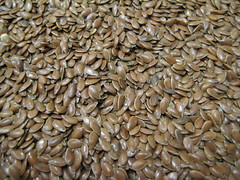
flax Originally uploaded by seanvincent

Hey Everybody! 
Since this month is National Nutrition Month (March) I've been trying to read up on the Buzz about Flax Seeds in health, healing and nutrition. I just had to pass this on to everyone because the finding for healing the body of certain cancers and other aliments is astounding. Not just in humans either. In cats and dogs as well!! Ground Flax Seed is a source of omega-3 fatty acids, fiber, protein, magnesium, iron, potassiym, and ugnans!!! The photo you see here is of whole flax seeds but you can buy it whole, ground flax meal, bottled flax oil, or gel-caps. And... you can cook with it too! Breads and crackers are very popular! Sprinkled on oatmeal and salads are popular! Blended in yogart and cottage cheese is VERY popular! Possible medical benefits Flax seeds contain high levels of lignans and Omega-3 fatty acids. Lignans may benefit the heart, possess anti-cancer properties and studies performed on mice found reduced growth in specific types of tumours. Not just in mice though, in humans, dogs and cats. Initial studies suggest that flaxseed taken in the diet may benefit individuals with certain types of breast and prostate cancers. Flax may also lessen the severity of diabetes by stabilizing blood-sugar levels. There is some support for the use of flax seed as a laxative due to its dietary fiber content. Articles support the use of it for weight loss as well. Flax seed oil can be taken daily for Nutrition and good health. 

One Diet Plan to Cure Any Disease | Subah Jain


In this video she says this...."Want to get rid of diabetes, high blood pressure, thyroid, gastritis, PCOS, acne, hair fall, knee pain, sinus, obesity or any other chronic disease? Or simply want to lose weight fast? Follow the four food principles and diet plan discussed in this video, specifically for India. By changing to a living foods, water rich, plant-based diet, any disease can be reversed ."
...........................................................................................

This video has been picked to celebrate all Health Awareness Holidays.
Remember and celebrate all Health Observances.

American Heart Month / February
National Cancer Prevention Month / February
World Cancer Day / February
National Nutrition Month / March
National Kidney Month / March
National Parkinson's Awareness Month / April
National Cancer Control Month / April
Stress Awareness Month / April
National Parkinson's Awareness Month / April
National Cancer Control Month
World Health Day / April 7
National American Stroke Month / May
National High Blood Pressure Education Month / May
National Mental Health Month / May
Arthritis Awareness Month / May
Women's Health Month / May
Men's Health Month / June
June 1 to June 7 / National Migraine Awareness Week
World Hepatitis Day / July 28
August 14 to August 18 / Fungal Disease Awareness Week
World Heart Day / September 29
National Chiropractic Month / October
Lung Cancer Awareness Month / November
Stomach Cancer Awareness Month / November
World Diabetes Day / Nov. 14
the list goes on......
.......................................................................................

6 Cancer Fighting Foods

Your diet is one of the easiest and most effective ways to promote good health and to help protect against cancer. And when it comes to a diet rich in cancer-fighting foods, a diet rich in plant-basedfoods like vegetables, fruits, and whole grains is the key. Make smart food choices and protect your health, feel better, and boost your ability fight off cancer.  Source: http://www.f...foods.html
6 Cancer Fighting Foods

From Visually.

The Benefits Of Red Wine


For some people and cultures, talking about wine has some negative connotation. For them, wine is equivalent to inebriation, which of course results to adverse effects in the body. But that happens only if taken carelessly. Little did they know that red wine, when taken moderately, provides the best health benefits.
Individuals who are sipping and enjoying a glass of wine everyday are most likely to actually enjoy good health and what it can bring. There are various colors of wines, and they all depend on the drupe of the variety of grapes. If the skin color of the drupe is red, then with the right procedure, it will develop red wine. Interestingly, the most health benefits of the grape, the most common source for red wine, are from the skin, stems and seeds, and not the juicy portion of the fruit. There are three phytonutrients, called polyphenols, concentrated in the skin, stems and seeds; they are the flavonoids, phenolic acid and resveratrol. The more the dark and strong the skin is, the higher is its content of these polyphenols.

This post is in honor of National Drink Wine Day / Celebrated every February 18

More reasons for you to enjoy your glass of wine daily:
  • Red Wine has Antioxidant Properties : Red wine is marketed these days for its antioxidant benefits. An antioxidant is a component that aids in the repair of damaged cells due to the effects of the byproducts of oxygen in the body that is significantly harmful. The antioxidant in grape is found in its skin, and it is called resveratrol. Resveratrol are hunters of free radicals. Free radicals are byproducts of the oxidation process. Inside our body, there is a constant chemical reaction that is happening that that will allow the electrons to move from a certain substance to an oxidizing agent. Thousands of free radicals are produced in the body every time there is oxidation and this will generate a chain reaction that will cause damage to body cells. Antioxidants, such as resveratrol in red wines, scavenge the free radicals, and this will stop the chain from forming. As an antioxidant, red wine may be called a reducing agent.
  • Red Wine Helps with Cancer Prevention : According to researchers, resveratrol, which is an antioxidant, destroys the cancer cells in the body and it can also improve the effectiveness of the various cancer treatments, like chemotherapy and radiation. A study published in Advances in Experimental Medicine and Biology has shown that when 50mcg/ml of resveratrol was applied to pancreatic cancer cells, both alone and with ongoing radiation therapy, it resulted to three things:
  • apoptosis or death of cancer cells : destruction of the source of energy of cancer cells that diminished the capability of the cancer cell to function rendering the sensitivity of cancer cells to chemotherapy by obstructing the proteins that tried to resist the treatment.According to the chief of radiation oncology of University of Rochester Medical Center, Paul Okunieff, MD, consuming red wine for those undergoing chemotherapy or radiation is not prohibited. The biggest challenge though is in finding the right amount of resveratrol in red wine to produce a more effective result.
  • Red Wine Promotes Heart Health : The blood sample of 20 volunteers in one study was drawn, both before and after ingestion of grape products. These blood samples have shown that after taking red wine, the nitric oxide levels in the body increased; nitric oxide helps in the reduction of clot formation in the blood vessels. There is also evidence that platelet aggregation of the red blood cells diminished. Additionally, an increase in the antioxidant activity in plasma is observed, as well as an elevation in the levels of alpha-tocopherol, an antioxidant compound. This study demonstrated the fact that grape products have the capacity to prevent destruction of the LDL cholesterol.Although, considered by some as the bad cholesterol, LDL cholesterol is only bad during the events of its destruction by the free radicals, since the molecules that are produced during its confrontation with free radicals can cause damage to the arteries.
  • Red Wine Helps Regulate Cholesterol Level : Not only do grape and grape products, such as red wine, help in fighting cancer, evidences have shown that they can also lower cholesterol levels in the body. An antioxidant called pterostilbene is found to help in lowering cholesterol. When the USDA Agricultural Research Services scientists made a comparative study of pterostilbene, ciprofibrate (lipid-lowering drug) and resveratrol by observing the ability of these compounds to activate PPAR-alpha, a receptor site in cells responsible for the metabolism of lipids, such as cholesterol, it showed that pterostilbene is as effective as ciprofibrate, and more potent than resveratrol in PPAR-alpha activation. The more PPAR-alpha is activated, the more that the lipids, or cholesterols, are regulated.
  • Red Wine Promotes Digestion : Illnesses that are caused by food may be remedied with a glass of red wine. While antibiotics also cause damage the intestinal bacteria that promote health in digestion process, red wine will only damage the pathogenic bacteria and protect the beneficial bacteria. H. pylori, E. coli, Salmonella typhimurium and Listeria monocytogenes are only some of the bacteria found to have promising outcome in the study of red wine as an aid in the digestion process. Additionally for fried food and canned food lovers, ingesting red wine can help in neutralizing the compounds found in food products that are stored for a long period of time and those that are fried. These compounds called LOOH (lipid hydroperoxide) and MDA (malonaldehyde) are not just toxic to the body; it can also cause several digestive issues. By taking red wine with these types of foods, digestion will be enhanced.
  • Red Wine Helps with Weight Loss : According to the creator of the South Beach Diet, Arthur Agatston MD, who is also a cardiologist, ingesting alcohol, such as red wine, together with food have a stimulatory effect on one’s appetite. Red wine also has the capacity to reduce the emptying time of stomach, which will result to the reduction of food consumption that will eventually result to reduction of weight.
  • Red Wine Promotes Better Sleep : Italian researchers from the University of Milan have found that drinking red wine can enhance sleep. Red wine may contain alcohol which causes the depression of the part of the brain that induces sleep, but it also has ample amount of melatonin. Melatonin is concentrated in the skin of the grapes, which gives the color of the wine. It is the chemical in our body responsible for the regulation of sleep and the control of the circadian rhythm. At dawn, melatonin levels are reduced, the reason that man wakes up and becomes active in the morning. At night time, melatonin increases. By taking an extra glass of wine at night, the melatonin in the body will increase resulting to enhanced sleep.
  • Osteoporosis : drinking one or two alcoholic beverages…mainly wine…may improve bone health.The researchers suggest that the alcohol acts like estrogen in reducing bone turnover. www.wikiwel.com

Protocol

All you need is as little as 225ml of wine to supply your body with up to 640mcg of Resveratrol, depending on the wine. Certain wine sorts have higher concentrations, like Bordeaux or Pinot Noir. However, if you are not too fond of alcohol, you can always use Resveratrol supplements, and combine them with grapes for a better effect.
-----------------------------------------------------------------------------------------------------------------------
............................................................................................................................................
The Benefits Of Almonds Are


Shop: / Almond Natural Raw / 5lbs.
Almonds are fantastic because they have a high Vitamin E content (one ounce has 35% of the daily recommended intake), fiber (one ounce has 3 grams), vegetable protein (one ounce has 6 grams), and monounsaturated fats (almonds are 51% monounsaturated fat). They're also rich in magnesium, phosphorus, calcium, iron, folate, and phytochemicals, all of which may help prevent chronic diseases.

This post is in honor of National Almond Day
- Celebrated annually on February 16.

List Of Benefits Of Almonds
  • associated with ameliorations in obesity, hyperlipidemia, Hypertension (High Blood Pressure), and hyperglycemia (High Blood Sugar). Incorporation of almonds into a healthy diet has beneficial effects on adiposity, glycemic control, and the lipid profile, thereby potentially decreasing the risk for Cardiovascular Disease in patients with type 2 diabetesmellitus.

  • Cancer : Two flavonoids in almonds ( quercetin and kaempferol ) were found to be strong suppressors of lung and prostate tumor growth and these plant chemicals inhibited the tumor cell growth in culture in the studies at Pennsylvania State University. Flavonoids found in almonds also suppressed breast cancer cell growth when these cells have been exposed to cancer-causing agents as evident from other research findings.

  • Prevent Constipation : Almonds are rich in fiber and because of its fiber content, almonds help normalize bowel movements by preventing constipation. Constipation may not necessarily confine you in bed and you think this is not a cause for concern. However, being chronically constipated certainly has its downsides.First, your body needs to excrete the waste products that are found in your stool. Your inability to let these toxins out can cause harm to your body. Second, being constipated means that you have a very hard stool. This can cause damage to your anus, cause it to bleed and it may lead to the development of an infection afterwards. Third, constipation causes you to strain hard to let the stool out. Straining will cause your heart to pump rapidly and will also increase blood pressure. No, you would not want all these to happen to you. So it would be best for you to avoid constipation altogether by getting your daily dose of fiber. These help increase stool bulk and helps prevent conditions such as diverticulitis and hemorrhoids as well.

  • Promote Heart Health : Almonds contain potassium, magnesium, vitamin E, folic acid and monounsaturated fats – all of these components contribute to the health of the heart. Potassium is an important ion that is needed by the heart to pump blood all throughout the body. It also helps make sure that the heart is pumping normally thereby preventing arrhythmias. Magnesium helps prevent heart attacks. The vitamin E found in almonds acts as antioxidants, neutralizing the effects of free radicals, and reducing heart disease risk. Folic acid helps reduce homocysteine levels in the body. Homocysteine causes fatty build-up in the walls of the arteries and in order to reduce homocysteine levels, folic acid is needed. Lastly, monounsaturated fats help lower the levels of bad cholesterol, without negatively affecting good cholesterol levels.

  • Help with Diabetes Management : Diabetes affects more than 17 million people in the United States, and one of the most common problems faced by diabetics worldwide is the surge in their blood sugar levels after a meal. Surges in blood sugar, or hyperglycemia, must be controlled because it can certainly present numerous complications to the body.Details of a report published in the Journal of the American College of Nutrition revealed that incorporating almonds in our daily diet could help prevent surges in blood sugar after a meal as well as help in the management of type 2 diabetes by improving the body’s sensitivity to insulin.

  • Promote Healthy Skin and Hair : Almond oil helps make the skin soft and smooth – and it works for the hair too. Most soap and hair product manufacturing companies often incorporate almond ingredient into their products in order to make the skin and hair healthy, soft and radiant-looking. During massage, almond oil is also used as it promotes relaxation and helps keep the skin soft even after the session. Almond oil may be used as a face mask so that it will be absorbed by the skin, making it supple and erasing wrinkles, crow’s feet and fine lines. Almond oil can also be used as a deep cleansing conditioner.

  • Help Control Blood Cholesterol Levels : As previously mentioned, regular consumption of almonds help raise good cholesterol (HDL) levels and lower bad cholesterol (LDL) levels. Keep this in mind when it comes to cholesterol: you would want to keep High Density Lipoprotein high, and keep Low Density Lipoprotein low. Almonds, therefore, allows you to hit two birds with one stone. It effectively controls your blood cholesterol levels. High amounts of bad cholesterol in your blood could cause complications such as fatty plaque deposits, atherosclerosis, heart attack and stroke.

  • Lower Risk of Alzheimer's Disease : The results of two studies published in the Journal of the American Medical Association revealed that vitamin E-rich foods and those that are rich in antioxidants can help reduce the risk of Alzheimer’s Disease. Researchers have recommended the regular consumption of almonds because these nuts contain higher levels of alpha-tocopherol vitamin E as compared to other foods. Alpha-tocopherol is a form of vitamin E that is readily absorbed and used by the body.

  • Help Prevent Osteoporosis : Because almonds are rich in calcium, it is one of the highly recommended foods in the battle against osteoporosis. Osteoporosis is a condition where the bones become weak and fragile, predisposing a person to fractures. Calcium is considered to be food for the bones. The presence of calcium in almonds could help prevent the pitfalls associated with osteoporosis.

  • The Vitamin E in almonds keeps your eyes and skin looking and feeling youthful.
  • Detox : because most detox diets don't include cow's milk, and almond milk is one of the best-tasting, most readily available plant-based alternatives.
  • Metabolism and allertness : Almonds, sesame and pumpkin seeds help regulate dopamine levels. see wikiwel.com

Medical Disclaimer

This information is not meant to be substituted for medical advice. Always consult a medical professional regarding any medical problems and before undertaking any treatment or dietary changes.
---------------------------------------------------------------------------------------------------------------
...............................................................................................................................

The Health Benefits Of Dark Chocolate Are

Most of us already know February is National Chocolate Lover's Month / but did you know our calendar also celebrates more than 30 other chocolate related Holidays? Yep! It is so obvious we love chocolate all over the world. Because of that... I felt the need to post the benefits of Dark Chocolate for all to see~


January 27: National Chocolate Cake Day / List of Cake Holidays /
February 1: National Dark Chocolate Day
February 5: National Chocolate Fondue Day
February 28: National Chocolate Souffle Day
May 15: National Chocolate Day
July 28: National Milk Chocolate Day
September 22: National White Chocolate Day
October 28: National Chocolate Day
................................................................................................................................

The benefits of Dark Chocolate are

  • Dark chocolate contains more flavanols and polyphenols (Catechins) than fruit juice. These antioxidants could prevent heart diseases and cancer. Cacao seeds are a 'Super Fruit' providing nutritive value beyond that of their macronutrient composition.
  • By acting as a deoxidizing agent, the phenols prevent clogging of arteries, thus averting heart attacks. Flavonoids are the same chemicals found in red wine, which has also been found to lower LDL cholesterol (low density lipoproteins, “bad” cholesterol) levels as well as exert a protective effect against coronary Heart Disease. In addition to this, one-third of the fat content found in chocolate is in the form of stearic acid. Although it is a saturated fat, stearic acid exerts a neutral effect on cholesterol levels; that is, while it does not appear to raise cholesterol levels in some studies, it does not appear to lower them either.
  • For people with Hypertension (High Blood Pressure), eating dark chocolate can significantly reduce blood pressure.
  • Researchers have discovered that a dose of dark chocolate daily could protect patients from complications associated with cirrhosis of the liver. Liver cirrhosis increases the risk of bleeding from too much pressure in the veins that supply the organ with nutrients. Dark chocolate could protect from rupture of blood vessels that occurs from portal hypertension (high blood pressure in the liver).
  • Research shows that the cocoa butter in the chocolate coats the teeth and may help protect them by preventing plaque from forming. It helps thwart mouth bacteria and stop dental decay.
  • Chocolate may reduce Risk of Stroke.
  • Contains resveratrol.
  • Cocoa flavanols boost memory and cognitive function by improving insulin sensitivity.
  • Cough : Theobromine, nutrient found in chocolate helps curb coughing by relaxing the nerve that triggers coughs.
  • Tooth Decay : Researchers found that teeth treated with theobromine lose about 10 percent less calcium than teeth treated with fluoride when exposed to acids.

Special Precautions of Dark Chocolate

  • Acrylamide : Cocoa beans are roasted to develop the characteristic chocolate flavor. During the roasting process, however, they are prone to developing high amounts of acrylamide.
  • Eating too much of chocolate may cause health problems. The cocoa butter in chocolate does contain saturated fat, which can increase blood cholesterol levels, and high cholesterol may contribute to heart disease. Chocolate is high in calories and eating too much therefore make you fat, increasing your risk of heart disease. Over eating of chocolate can also lead to obesity.
  • People prone to forming calcium oxalate stones (Kidney Stones (Renal Calculi)) may be asked by their doctor to limit or avoid certain foods if their urine contains an excess of oxalate: rhubarb, spinach, beets, swiss chard, wheat germ, soybean crackers, peanuts, okra, chocolate, black Indian tea, sweet potatoes.
  • Despite the benefits that chocolate may have, it shouldn’t be an excuse to consume it at every meal! Chocolate should be consumed only in moderation, preferably in accompaniment with a healthy diet. It should also not be used to replace the other healthy sources of flavonoids in your diet, such as grapes and blueberries.
....................................................................................................................................
Photo: http://wikiwel.com/wikihealing/index.php?title=File:Chocolate.png
Complete List Of Chocolate Holidays
......................................................................................................................................

Folic Acid Awareness Week January 7-13, 2018

Benefits Of Folic Acid
Vitamine B11 works together with Vitamin B12. So the symptoms often looks like a Vitamin B12 deficiency. The daily need for folate with its relative instability has helped Big Pharma push folic acid into MD's prescription pads and commercial food suppliers' "enriched" denatured grain products, especially breads and cereals. Maybe folic acid is not too bad all the time. It appears helpful in the short term for expectant mothers to prevent birth defects, but asthma seems more frequent among those children. It is certainly very risky over the long term. The liver can convert the isolate folic acid into the complete spectrum of isomers that constitute folate. But as we age, that ability declines. Then no matter how much folic acid you take, your folate blood levels decline. The result is a folate deficiency, which invites all those diseases associated with old age mentioned earlier.

  • Fights Off Dementia : Patients with low levels of folic acid in their blood have a three times higher risk of experiencing Alzheimer's or dementia, according to The Daily Mail newspaper of London. If you have low levels of folic acid, increasing your consumption of dark green leafy vegetables, dried beans, orange juice and peas can help reduce your risk. The recommended intake of folic acid is 400 micrograms per day. You can take a supplement if you have trouble getting enough folic acid in your daily diet,. Do not exceed 1,000 micrograms per day, however. This is the upper limit for folic acid.
  • Other Cognitive Improvements : A 2007 study from Wageningen University in the Netherlands published in The Lancet journal concluded that taking folic acid improved memory, communication and information processing. The study measured those older than age 50 over a period of three years. One group took 800 micrograms of folic acid supplements while the other group did not take any folic acid. The group taking folic acid improved in all areas of cognitive function while the group that did not, did not improve in cognitive areas
  • Reduced Risk of Heart Disease : In addition to mental benefits, eating foods high in folic acid has been linked with a reduced risk of heart disease and stroke in the elderly, according to the Florida Folic Acid Coalition. Taking folic acid has been shown to reduce levels of homocysteine in the blood. Homocysteine has been linked with heart disease; reducing the risk can mean the elderly will experience better cardiovascular health.
  • improves arterial elasticity to lower heart attack risk
  • Reduced Cancer Risk : A lack of folic acid in the diet has been linked to increased incidence of a number of cancers, including colon, cervix, rectum, lung, brain, pancreas and esophageal cancers, according to the Linus Pauling Institute at Oregon State University. This is because cancers like these are due to mutation and/or damage to DNA. Folic acid helps to synthesize and repair RNA and DNA; taking in more folic acid via fruits and vegetables can have protective effects against cancers.
  • Has been found to attenuate the adverse epigenetic effects of bisphenol A, such as hypomethylation of DNA. wikiwel.com
...........................................................................................................................
Sources:
  • Collard and other leafy greens
  • Lentils
  • Peas
  • Chickpeas
  • Papaya
  • Broccoli
  • Asparagus
  • Strawberries
  • Oranges and orange juice
National Birth Defects Prevention Network https://www.nbdpn.org/faaw.php
.........................................................................................

Product description

Bluebonnet's Liquid Vitamin B12 &; Folic Acid contains 1000 mcg of pure, fast-acting vitamin B12 and 400 mcg of folic acid in a delicious, natural raspberry flavored liquid. Vitamin B12 is used for treating and preventing vitamin B12 deficiencies. It can also be used for memory loss, Alzheimer's disease, boosting mood, energy, concentration, and the immune system, and also for slowing aging. Vitamin B12 is required for the proper function and development of the brain, nerves, blood cells, and many other parts of the body.

Home Remedies for Heart Attack

theheartfoundation.org tells us "February is Heart Health Month. Heart disease is the leading cause of death for both men and women in the United States. The good news? It is also one of the most preventable. ........

This post is in honor of Heart Health Month / February

Home Remedies
  • Antioxidants : Fruits and vegetables account for the highest levels of antioxidants. Eating plenty of fruits and vegetables lowers the risk of heart attack by 20%.
  • one glass of red wine a day helps blood circulation : Numerous studies show that polyphenols in grape-derived foods such as raisins, wine, and juice are effective in maintaining cardiovascular health, including bringing down blood pressure.
  • Apples contains a compound called rutin that has been found to be a potential clot-buster.
  • Carrots contain lots of beta-carotene and alpha-carotene. The World's Healthiest Foods site refers to an earlier 10 year Netherlands study on how diet influences cardiovascular disease (CVD). That study concluded that yellow and orange foods, especially carrots, protected against CVD
  • Tomatoes are high in lycopene.
  • Guava protects against blocked arteries, joint degeneration, nervous system problems and even possibly cancer.
  • Ho Shou Wu, also known as fo-ti or ho she wu, the root of this native Chinese vine is a powerful tonic to increase energy and maintain youthful vigor, while still having a calming effect. It contains a natural form of lecithin that helps lessen arterial plaque and lower blood pressure.
  • The polyunsaturated and monounsaturated fats provided by walnuts promote cardiovascular health and have been shown to dramatically lower the risk of a heart attack.
  • Regular consumption of Cherries may help lower risk of Heart Attacks and stroke.
  • The unique phenols in strawberries prevent the clogging of the arteries that causes heart attacks and stroke. Unlike drugs, strawberries have no dangerous side effects
  • Natto: This Japanese fermented soy food is shown to help reduce and prevent the blood clotting that can cause stroke and heart attacks.
  • beetroot juice can lower blood pressure and reduce the risk of heart attacks and stroke.
  • One natural blood thinner is grape seed. The University of Maryland Medical Center advises between 25 and 150 mg of the extract one to three times per day. Another option is to cook with grape seed oil. Substitute it with olive oil when cooking with high heat.
  • Arginine, or L-arginine is an amino acid that can produce arterial dilation to keep arteries from constricting. Arginine generates short term nitrous oxide (NO), which acts only when needed to keep blood cells from clumping and clotting, but allows coagulation to occur when appropriate.
  • Vitamin K2, found in nattokinase or as separate supplements, keeps calcium from hardening along the inner artery walls of your arteries. This is usually what causes hardening of the arteries, calcification of the inner walls. K2 gets calcium out of the blood stream and into bone matter where it belongs.
  • Hawthorn berry has been used in Oriental Medicine for centuries. It is usually consumed as a tea. You can purchase or make your own tinctures as well, which many consider more potent than teas. Hawthorn berry is a vasodilator (artery and capillary dilator) that also strengthens the heart muscles and helps maintain regular heart beat rhythm.
  • Tocotrienol, found in natural vitamin E and some CoQ-10 products or even as a separate supplement, is a natural anti-coagulant without side effects.
  • Make a paste of honey and cinnamon powder, apply on bread, chappati, or other bread, instead of jelly and jam and eat it regularly for breakfast. It reduces the cholesterol in the arteries and saves the patient from heart attack. Also those who already had an attack, if they do this process daily, they are kept miles away from the next attack.
  • Other beneficial natural anti-coagulants are fish oil and vitamin C. Magnesium is vital for heart health. Proper diet and exercise are the common sense lifestyle rules that serve as your foundation for heart health regardless of any medicinal supplement choices you deem necessary.
  • Nattokinase is thought to be help dissolve abnormal blood clots. Abnormal blood clots can cause heart attacks and strokes, as well as conditions such as phlebitis, pulmonary embolism, or deep vein thrombosis.
  • natural blood thinners protect against blood
  • Pineapple is the source of bromelain, a protein-digesting enzyme that inhibits the formation of pro-inflammatory molecules.
  • regularly brushing your teeth can significantly reduce your risk for a heart attack.Brushing the teeth helps fight off bacteria that may cause an inflammation inside the body.
  • Astragalus is considered to be a cardiac tonic. In the cardiovascular system, the saponins in astragalus inhibit lipid peroxidation in the myocardium and one study using patients with angina revealed that cardiac output increased after two weeks of treatment. Astragalus strengthens left ventricular function and reduces free radical damage in patients after a heart attack and increases super oxide dismutase activity in cardiac muscle.
  • Rutin is proved to be a very potently anti-thrombotic compound.
  • Folic Acid supplementation improves arterial elasticity to lower heart attack risk.
  • One recent study in the American Journal of Cardiology showed that by taking a daily dose of red yeast rice, heart attack patients in China were an impressive 45% less likely to suffer another heart attack within five years. wikiwel.com
.............................................................................................................................
Medical Disclaimer: 
This information is not meant to be substituted for medical advice. Always consult a medical professional regarding any medical problems and before undertaking any treatment or dietary changes.
.........................................................................................................................................

Shop:
....................................................................................................................................

Awesome Outside Links:

Essential Vitamins and Minerals

Vitamins and minerals play an important role in maintaining our health. Vitamins are organic substances (made by plants or animals) and minerals are inorganic elements that come from the earth. We absorb vitamins and minerals from the plants we eat and need them to grow and develop healthily. The best way to get the proper amount of nutrients is through a well-balanced diet. Here is a breakdown of the most essential vitamins and minerals, how to identify a deficiency, and a natural diet source. 
Click photo to enlarge:

The Benefits of Peaches


It's time to add more peaches in our daily diet! Research shows how healing they really are. 

This post is in honor of Peach related Holidays. Below you will find a list of  peach holidays and a list of "The Benefits of Peaches" as it relates to Home remedies, Food therapy and treatments. 

The benefits of peaches are amazing!

National Peach Ice Cream Day / July 17
National Eat A Peach Day / August 22
National Peach Cobbler Day / April 13
National Peach Month / August

  • Peaches are recommended for acute, infectious diseases. They are recommended for reducing cholesterol in blood, in prevention of cardiovascular, renal diseases and anemia. Peaches are used in abdominal colics and rheumatism pains. As tea they are recommended in convulsive cough.
  • Peach is the aliment recommended for convalescence, for those who are in advanced states of fatigue or depressive states. It charges and regenerates energetic reserves through its rich containment of sugar and carbohydrates. Due to the fact that they contain phosphorus, peaches are recommended in neurosis, protecting the nervous cells.
  • Vitamin A, B1 and B2 are irreplaceable for the balance of the nervous system, they achieve the synthesis of hemoglobine, maintain magnesium in the body and strengthen the natural immunity.
  • Breast cancer cells -- even the most aggressive type -- died after treatments with peach and plum extracts in lab tests by two specific phenolic acid components : chlorogenic and neochlorogenic.
  • Peaches eaten in the morning instead of breakfast regulate intestinal and hepatic functions, maintain the alkalinization of blood, favor asssimilation and nutrition. The regular consumption of peaches is recommended to those with urinary lithiasis as well as for those who want to increase their urinary debit.
  • Peaches feed and regenerate the skin tissue. If the face is lotioned with peach juice, the complexion can be given a more shiny look.
  • Apart from their therapeutic qualities, peaches can be used in various weight losing diets. In the peel of a very ripe peach, at least 10 enigmatic elements exist which activate some substances which destroy the fat layers, this is why peach diets are effective.
...........................................................................................................................
...........................................................................................................................

Extra Information:

Phytochemicals

Total polyphenols in mg per 100 g of fresh weight were 14–102 in white-flesh nectarines, 18–54 in yellow-flesh nectarines, 28–111 in white-flesh peaches, and 21–61 mg per 100 g in yellow-flesh peaches. The major phenolic compounds identified in peach are chlorogenic acid, catechins and epicatechins, with other compounds, identified by HPLC, including gallic acid and ellagic acid. Rutin and isoquercetin are the primary flavonols found in clingstone peaches.
Red-fleshed peaches are rich in anthocyanins, particularly cyanidin glycosides in six peach and six nectarine cultivars and malvin glycosides in clingstone peaches. As with many other members of the rose family, peach seeds contain cyanogenic glycosides, including amygdalin (note the subgenus designation: Amygdalus). These substances are capable of decomposing into a sugar molecule and hydrogen cyanide gas. While peach seeds are not the most toxic within the rose family (see bitter almond), large consumption of these chemicals from any source is potentially hazardous to animal and human health.
Peach allergy or intolerance is a relatively common form of hypersensitivity to proteins contained in peaches and related fruits (such as almonds). Symptoms range from local effects (e.g. oral allergy syndrome, contact urticaria) to more severe systemic reactions, including anaphylaxis (e.g. urticaria, angioedema, gastrointestinal and respiratory symptoms). Adverse reactions are related to the "freshness" of the fruit: peeled or canned fruit may be tolerated.

Special Precautions of Chlorogenic Acid

  • It was hypothesized in the 1960′s that chlorogenic acid was a chemical sensitizer, responsible for causing respiratory allergies to certain plant materials containing chlorogenic acid in humans. Some experiments on animals using fairly aggressive techniques, did cause severe allergic reactions after the material was injected into the animals, both to sensitise them and again to elicit the allergic response.
  • Chlorogenic acid has also been associated with increased levels of the protein amino acid homocysteine. Increased homocysteine levels are linked to an increase in the risk of cardiovascular disease, however, it has not been proven that reducing elevated homocysteine improves cardiovascular outcomes for people.
  • Chlorogenic acid and caffeic acid were once thought to be capable of inducing vitamin B1 deficiency, however, this hypothesis was disproven in the early 1980′s. It can however, reduce the absorption of zinc and iron from the diet.

Benefits and uses of Chlorogenic Acid are

  • Slowed glucose absorption, reduced insulin spike after eating : slow down the absorption of glucose in the human gut, therefore reducing the insulin spike after a meal, an effect that is of significant benefit to those suffering from type II diabetes, insulin resistance, metabolic syndrome or polycystic ovarian syndrome.
  • Reduced production of glucose in the liver : Chlorogenic acid has also been found in vitro to inhibit the liver enzyme glucose-6-phosphatase which plays a critical role in the production of glucose in the liver.
  • Increased uptake of glucose in muscle tissue
  • Reduced risk of type II diabetes : People who drink a significant amount of coffee have less of a risk of developing type II diabetes than non-coffee drinkers. As caffeine worsens insulin sensitivity, this effect has been attributed to chlorogenic acid.
  • Protection against Alzheimer’s disease, nerve degeneration : Population studies have linked moderate coffee consumption with a reduced risk of neurodegenerative diseases and laboratory studies have begun to confirm that chlorogenic acid is one of the agents responsible for this protective effect, although caffeine is also considered likely to have a protective effect.
  • Reduced risk of liver disease : The results of epidemiological research suggest that coffee consumption may help prevent several chronic diseases, including cirrhosis of the liver and hepatocellular carcinoma (liver cancer) as well as gallstones.
  • Reduced body mass and fat
  • Increase fat-burning and inhibit new fat cells forming
  • Mild laxative
  • Lower blood pressure
  • Stimulant : Chlorogenic acid has a weak psychostimulant effect, with animal studies in rats estimating the effect to be around one third as strong as the effect from caffeine.
  • Improve mood and cognitive abilities : A 2012 study in healthy elderly participants found that decaffeinated coffee with a higher concentration of chlorogenic acids (521 mg) improved their mood and ability to perform a battery of cognitive tasks in comparison with ordinary decaffeinated coffee which contained only 224 mg chlorogenic acids.
  • Eyesight : Chlorogenic acid found in coffee prevents cell death in the retina by at least 73%. In some cases, it didn't just prevent cell damage—it actually increased the number of healthy cells.
................................................................................................................................................

Resources / References / Outside Links
wikipedia.com
...............................................................................................................................

Top 10 Hot Dog Condiments


Variations in Hot Dog Condiments:  "Throughout the world, there are numerous variations in hot dog condiments. Below are the Top 10.

  • Chili: "Chili con carne (literally "Chili with meat", often known simply as chili) is a spicy stew made from chili peppers, meat, garlic, onions, and cumin. Traditional chili is made with chopped or ground beef. Variations, either geographic or by personal preference, may substitute different types of meat and may also include tomatoes, beans, or other ingredients. The name "chili con carne" is a variation of the Spanish chile con carne, which means "peppers with meat."  

  • Mustard: "Mustard is a thick yellowish-brown paste with a sharp taste made from the ground seeds of a mustard plant (white or yellow mustard, Sinapis hirta; brown or Indian mustard, Brassica juncea; or black mustard, Brassica nigra)."

  • Ketchup: "Ketchup (also spelled Catsup or Catchup), also known as tomato ketchup or red sauce, is a condiment usually made from tomatoes. The primary ingredients in a typical modern ketchup are tomato concentrate, corn syrup (or other sugar), vinegar, salt, spice and herb extracts (including celery), spice and garlic powder-"

  • Pickle Relish:  "A relish is a cooked pickled, chopped vegetable or fruit food item which is typically used as a condiment.  Description and ingredients: The item generally consist of discernible vegetable or fruit pieces in a sauce, although the sauce is subordinate in character to the vegetable or fruit pieces. It might consist of a single type of vegetable or fruit, or a combination of these. These fruits or vegetables might be coarsely or finely chopped, but generally a relish is not as smooth as a sauce-type condiment, such as ketchup. The overall taste sensation might be sweet or savory, hot or mild, but it is always a strong flavor that complements or adds to the primary food item with which it is served."  *Hot dogs in the Boston area are associated with Boston baked beans, though this is probably not unique to the region. Ketchup, mustard, relish, picalilli, and chopped onions are the most common toppings. 

  • Cole Slaw:  "Coleslaw is a salad consisting primarily of shredded raw cabbage. It can also include shredded carrots. There are many variations of the recipe which include the addition of other ingredients, such as red cabbage, grated cheese, pineapple, or apple. It is usually mixed with a dressing which traditionally consists of vegetable oil and vinegar or a vinaigrette. In the U.S. coleslaw often contains mayonnaise (or its substitutes); although many regional variations exist, and recipes incorporating prepared mustard are also common. Barbecue slaw, also known as red slaw, is made using ketchup rather than mayonnaise. Coleslaw is generally eaten as a side dish with foods such as barbecue, French fries, and other fried foods; notably, fried seafood in the Southern United States. Also, in this region, it is common as a sandwich ingredient, often placed on barbecue sandwiches, and on hamburgers and hot dogs along with chili and hot mustard."

  • Saurkraut: (sauerkraut) "finely shredded cabbage that has been fermented by various lactic acid bacteria, including Leuconostoc, Lactobacillus, and Pediococcus. It has a long shelf-life and a distinctive sour flavor, both of which result from the lactic acid that forms when the bacteria ferment the sugars in the cabbage. It is therefore not to be confused with coleslaw, which receives its acidic taste from vinegar." 

  • Onion:  "Onions, one of the oldest vegetables known to humankind, are found in a large number of recipes and preparations spanning almost the totality of the world's cultures. They are nowadays available in fresh, frozen, canned, pickled, powdered, chopped, and dehydrated forms. Onions can be used, usually chopped or sliced, in almost every type of food including cooked foods and fresh salads and as a spicy garnish. They are rarely eaten on their own but usually act as accompaniment to the main course. Depending on the variety, an onion can be sharp, spicy, tangy and pungent or mild and sweet."

  • Mayonnaise:  "Mayonnaise (sometimes abbreviated to mayo in English and other languages) is a thick condiment made primarily from vegetable oil and egg yolks. Whitish-yellow in color, it is a stable emulsion formed from the oil and the yolks and is generally flavored with mustard, lemon juice or vinegar and salt. Numerous other sauces can be created from it by adding additional seasonings."

  • Lettuce: "It is most often grown as a leaf vegetable. In many countries, it is typically eaten cold, raw, in salads, sandwiches, hamburgers, tacos, and in many other dishes. Lettuce is a fat free, low calorie food and is good for a well balanced diet. It is a valuable source of vitamin A and folic acid. Lactucarium (or “Lettuce Opium”) is a mild opiate-like substance that is contained in all types of lettuce. Both the Romans and Egyptians took advantage of this property eating lettuce at the end of a meal to induce sleep."

  • Tomato: "Tomatoes are used extensively in Mediterranean cuisine, especially Italian and Middle Eastern cuisines. The tomato is acidic; this acidity makes tomatoes especially easy to preserve in home canning whole, in pieces, as tomato sauce, or paste. Tomato juice is often canned and sold as a beverage; Unripe green tomatoes can also be breaded and fried, used to make salsa, or pickled. The fruit is also preserved by drying, often by sun, and sold either in bags or in jars in oil."

  • Cheese: "Cheese is a food consisting of proteins and fat from milk, usually the milk of cows, buffalo, goats, or sheep. Hundreds of types of cheese are produced. Their different styles, textures and flavors depend on the origin of the milk (including the animal's diet), whether it has been pasteurized, butterfat content, the species of bacteria and mold, and the processing including the length of aging. Herbs, spices, or wood smoke may be used as flavoring agents."

  • Pico de Gallo: "The most familiar to North Americans is a fresh, tomato-based condiment. It is what North Americans usually mean when talking about "salsa" or "tomato salsa." This salsa is never cooked."

  • Chili Peppers: "Chili pepper (also known as, or spelled, chilli pepper, chilli, chillie, chili, and chile) is the fruit of the plants from the genus Capsicum, members of the nightshade family, Solanaceae. Botanically speaking, the fruit of capsicums are berries. Depending on flavor intensity and fleshiness, their culinary use varies from use as a vegetable (eg. bell pepper) to use as a spice (eg. cayenne pepper). It is the fruit that is harvested." 

They are usually served in a bun.
......................................................★☆★......................................................
This post is in honor of National Hot Dog Month and National Hot Dog Day
......................................................★☆★......................................................